No Curriculum Needed: Easy Social Emotional Learning Activities Using Books You Already Own
*This post contains affiliate links. As an Amazon Associate, I earn from qualifying purchases. We only share the resources we truly love and use in our home. Thank you for supporting our little grove!
Let’s be honest: sitting a 5-year-old boy down for a "lesson" on feelings usually goes one of two ways. Either he squirms away to find his LEGOs, or he stares at you with glazed-over eyes until you stop talking.
As unschoolers, we know that children learn best through connection and play, not flashcards. But we also know that our boys experience big emotions (frustration, worry, anger) and they need tools to handle them.
I used to dread the post-LEGO-crash meltdown. But ever since we started turning our storytime into a game, things have changed. Just last week, instead of screaming when his tower fell, my young son stopped and asked me to "be the Rabbit." It felt like magic.
The good news? You don’t need an expensive "SEL Curriculum" to teach emotional intelligence. You just need a library card (or your own bookshelf) and a little imagination.
In this post:
What are Social Emotional Learning Activities?
Quick Shop: The Book List
Activity 1: Managing Disappointment (The Rabbit Listened)
Activity 2: Overcoming Fear (Jabari Jumps)
Activity 3: Resetting a Bad Day (Alexander and the Terrible...)
Activity 4: Body Awareness (The Color Monster)
Common Questions about SEL for Boys
What are Social Emotional Learning Activities?
Definition: For unschoolers, social emotional learning (SEL) activities aren't about worksheets or lectures. They are simple, everyday tools... like reading books, sensory play, or breathing games that help children recognize, understand, and regulate their own emotions naturally.
Quick Shop: The Book List
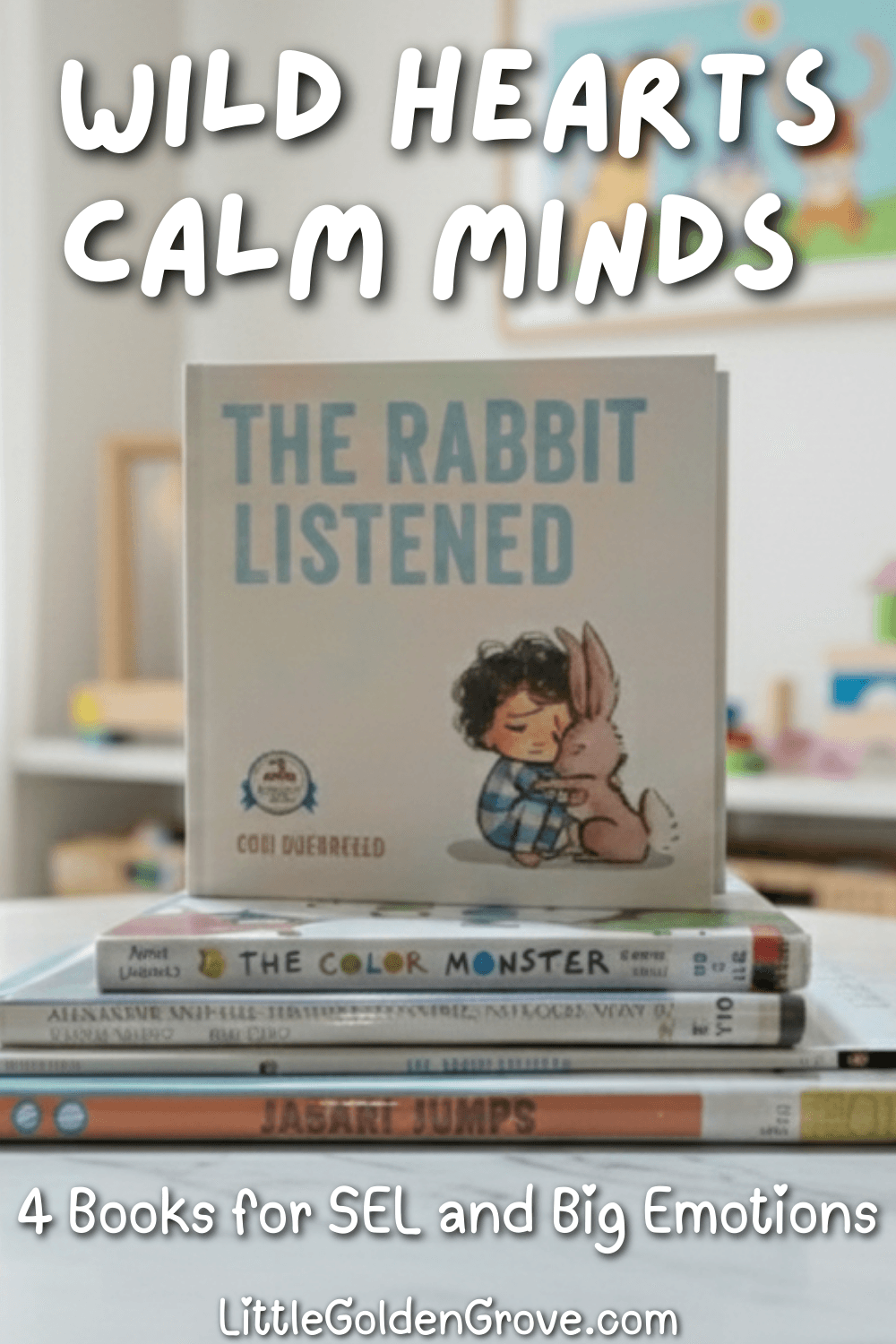
If you are in a hurry, here are the 4 specific books we use to teach these skills:
The Rabbit Listened (Best for disappointment & empathy)
Jabari Jumps (Best for anxiety & bravery)
Alexander and the Terrible, Horrible, No Good, Very Bad Day (Best for anger)
The Color Monster (Best for identifying feelings)
1. Managing Disappointment: The Rabbit Listened
By Cori Doerrfeld
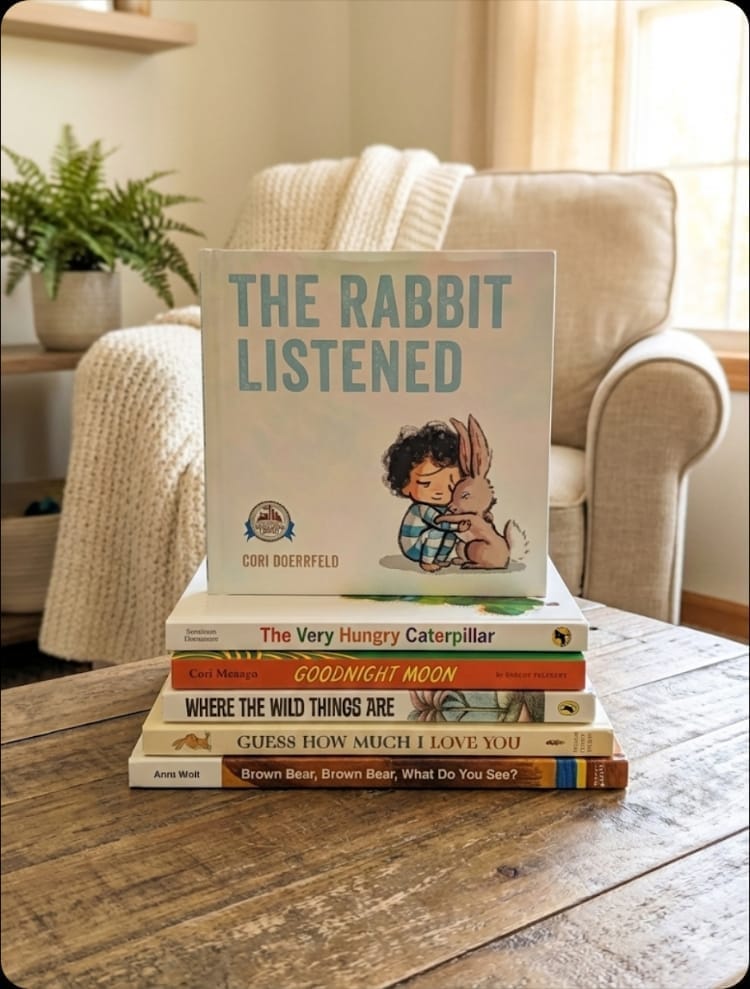
If you only own one book on this list, make it this one. It is the perfect visual guide for how to handle disappointment. In the story, Taylor builds something amazing, and it crashes down. All the animals try to "fix" it (the bear yells, the chicken talks, the hyena laughs), but only the rabbit just sits with him.
The Activity: "The LEGO Crash Game"
Five-year-old boys often don't have the words to say what they need when they are upset. This game gives them a script.
Read: Read the book together.
Play: Later, when you are building blocks or LEGOs, ask him: "Okay, pretend I just accidentally knocked over this tower. Which animal do you need me to be right now?"
The Lesson: It turns a meltdown moment into a choice. He learns to say, "I need you to be the Bear (let me be mad!)" or "I need you to be the Rabbit (just sit with me)." It gives him control over his own comfort.
2. Overcoming Fear & Anxiety: Jabari Jumps
By Gaia Cornwall
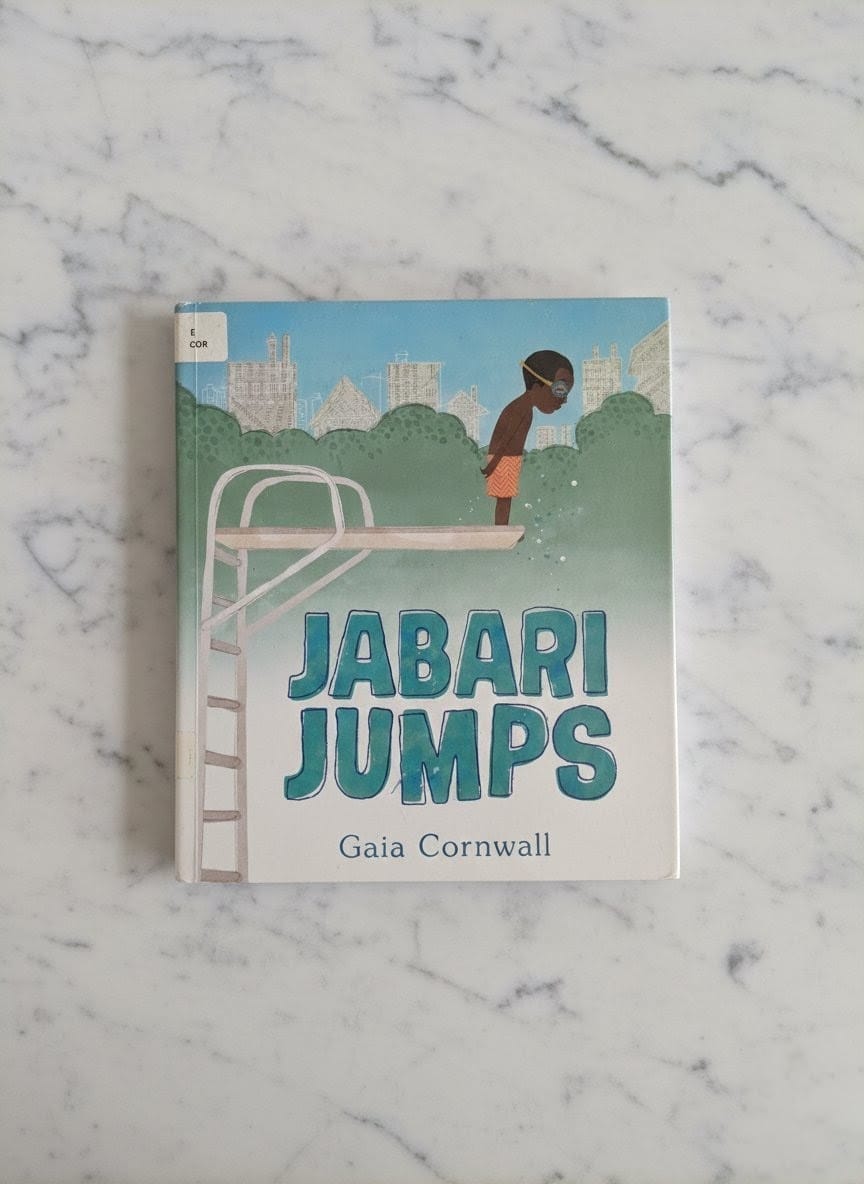
We love this book because it doesn’t lie to kids. It doesn’t say "Be brave, don't be scared!" It shows that you can be brave and scared at the exact same time. Jabari wants to jump off the diving board, but his body feels "wobbly."
The Activity: "The Squeeze & Breathe"
This is a physical regulation tool disguised as a game. In the book, Jabari takes a deep breath and squeezes his dad's hand to help the "wobbly" feeling pass.
The Challenge: Practice the "Jabari Squeeze" when you aren't scared.
Challenge him to squeeze your hand as hard as he possibly can while taking one giant "Dragon Breath."
Real Life: The next time he is nervous (before a swim lesson or meeting new friends), whisper: "Do you have the wobbles like Jabari? Give me the squeeze." It grounds his nervous system instantly.
3. Resetting a Bad Mood: Alexander and the Terrible, Horrible, No Good,
Very Bad Day
By Judith Viorst
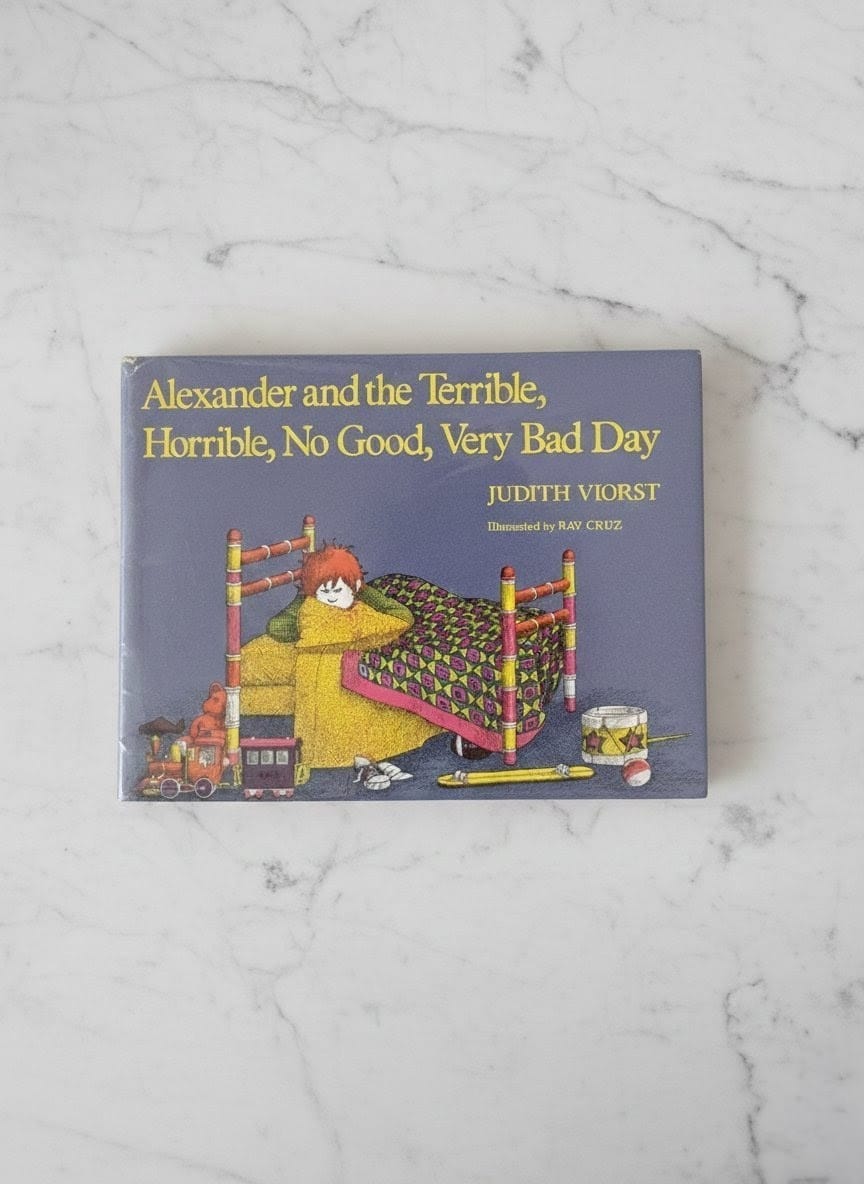
Sometimes, there is no lesson to be learned. Sometimes, you just have mud on your shoes, there is kissing on TV, and you hate lima beans. This book validates that anger doesn't always need to be "fixed" immediately.
The Activity: "The 'Australia' Reset Button"
Alexander keeps threatening to move to Australia to escape his bad day.
The Setup: Pick a spot on your wall (or use a red sticker) and call it the "Australia Button."
The Game: When the morning is going wrong...the milk spilled, the socks feel weird, and the brother is annoying...ask him: "Do we need to hit the Australia button?"
The Reset: If he hits it, you both have to spin around 3 times and "Restart" the day. Say "Good Morning!" again (even if it's 2 PM). It breaks the tension with movement and lets him physically leave the bad mood behind.
4. Body Awareness: The Color Monster
By Anna Llenas
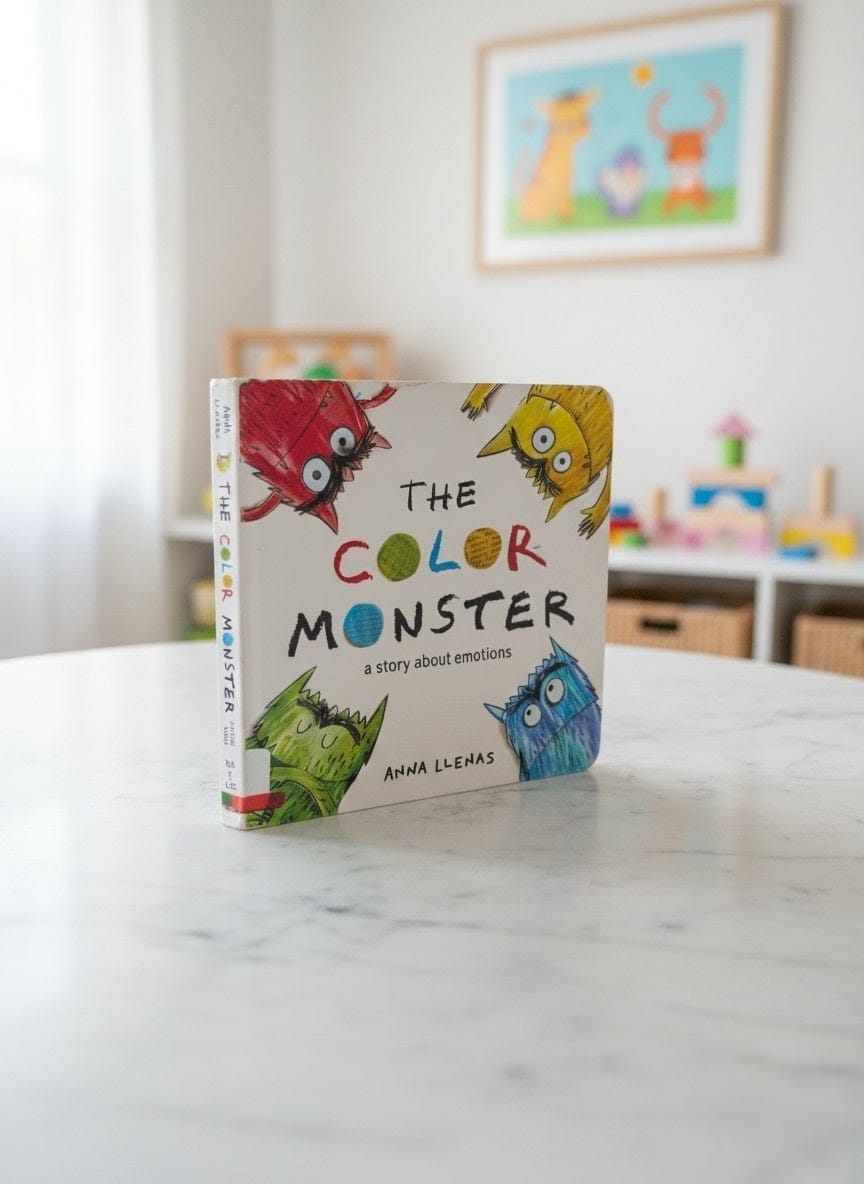
Boys are often physical processors. Asking "How do you feel?" is abstract and hard. Asking "What color is inside you?" is a sorting game. This book visualizes feelings as tangled jars of colors.
The Activity: "The Body Scan Detective"
Instead of just naming the color, help him find where it lives in his body.
The Detective Work: If he says he is "Red" (Angry), ask: "Where is the Red hiding? Is it in your hands?" (Check for fists). "Is it in your teeth?" (Check for clenched jaw). "Is it in your legs?" (Wanting to kick).
The Lesson: This connects his mind to his body. Once he knows his hands are "Red," he can learn to shake them out to turn them "Green" (Calm) again.
Set the Atmosphere First
Social emotional learning activities work best when the environment is calm. If the house feels chaotic, it’s hard to focus on a story.
We love using music to set the tone before we read. If you need a tool to help calm the energy in the house (or spark some creative focus for LEGO time), check out our Creative Focus Music. It’s designed to help active kids settle into a rhythm without falling asleep!
Common Questions about SEL for Boys
How do I teach empathy to a high-energy boy?
High-energy boys learn best through doing. Instead of lecturing about empathy, use role-play games (like the "Rabbit Game" above) where they physically act out different responses.
Can you teach social emotional skills without a curriculum?
Absolutely. In fact, "living books" (stories with rich characters) are often better than worksheets because they show emotional skills in action. Unschooling allows these lessons to happen naturally during daily life.
What if my child won't sit still for the book?
That is okay! Let them draw, build with LEGOs, or use a Sensory Swing (this one can hold up to 300lbs!) while you read aloud. Their hands can be busy while their ears are listening. This is why we keep a Calm Down Corner stocked with fidgets and books; it gives them a designated space to process those 'Red' or 'Wobbly' feelings at their own pace.
🌿Want the visual tool we use to help our boys identify their 'Animal Energy'? Grab our Free Printable Emotions Chart to hang in your calm-down corner and start using these storytime tools today!
📌 Pin this to your 'Calm Down Corner' board so you always have a quick book activity ready for a meltdown!

Stay Connected!
Grab our signature nature scavenger hunt and get occasional updates on new nature-based tools & resources!