16 Feet of Connection: What a Shuttle Bus Taught Me About Space
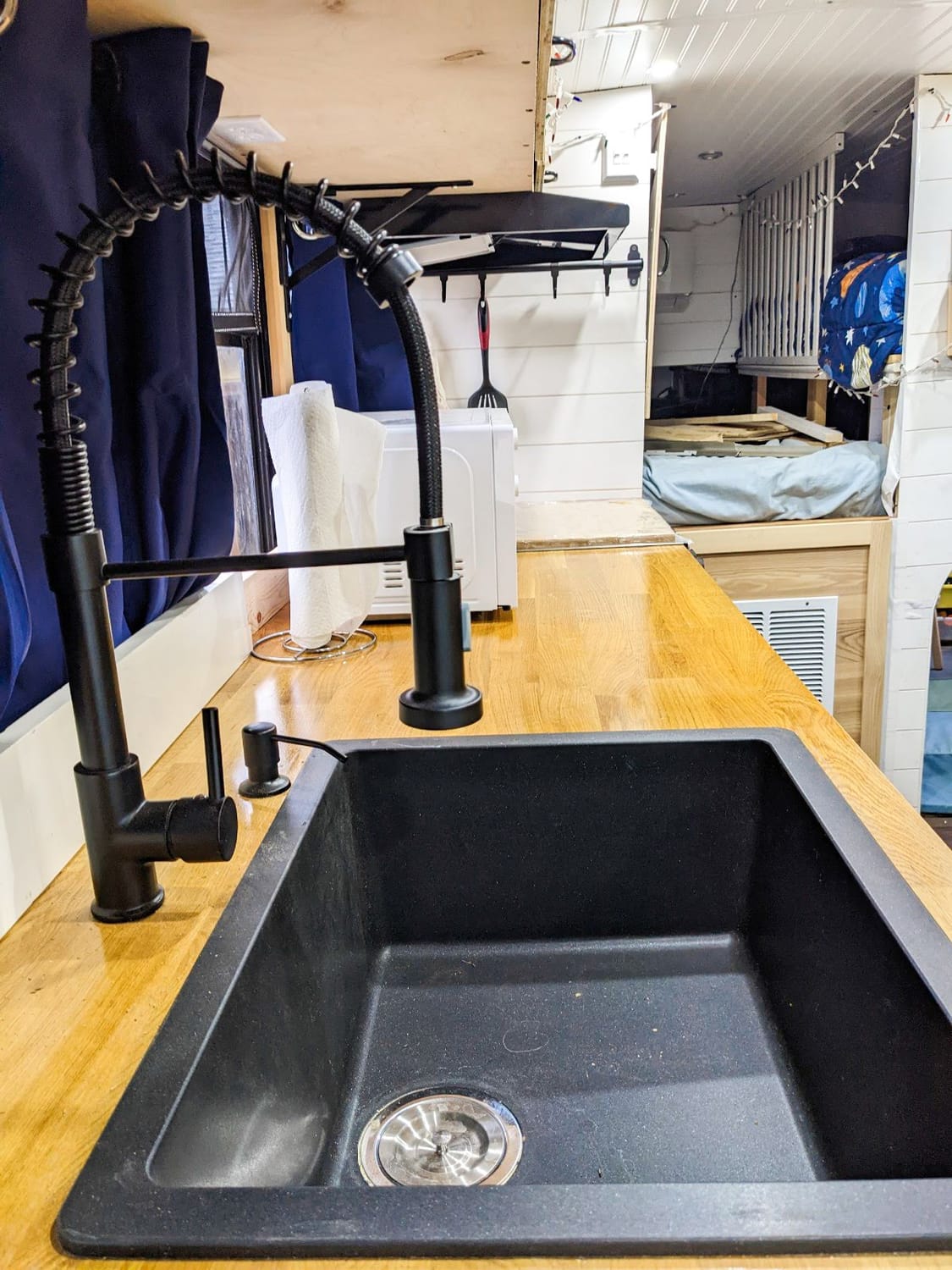
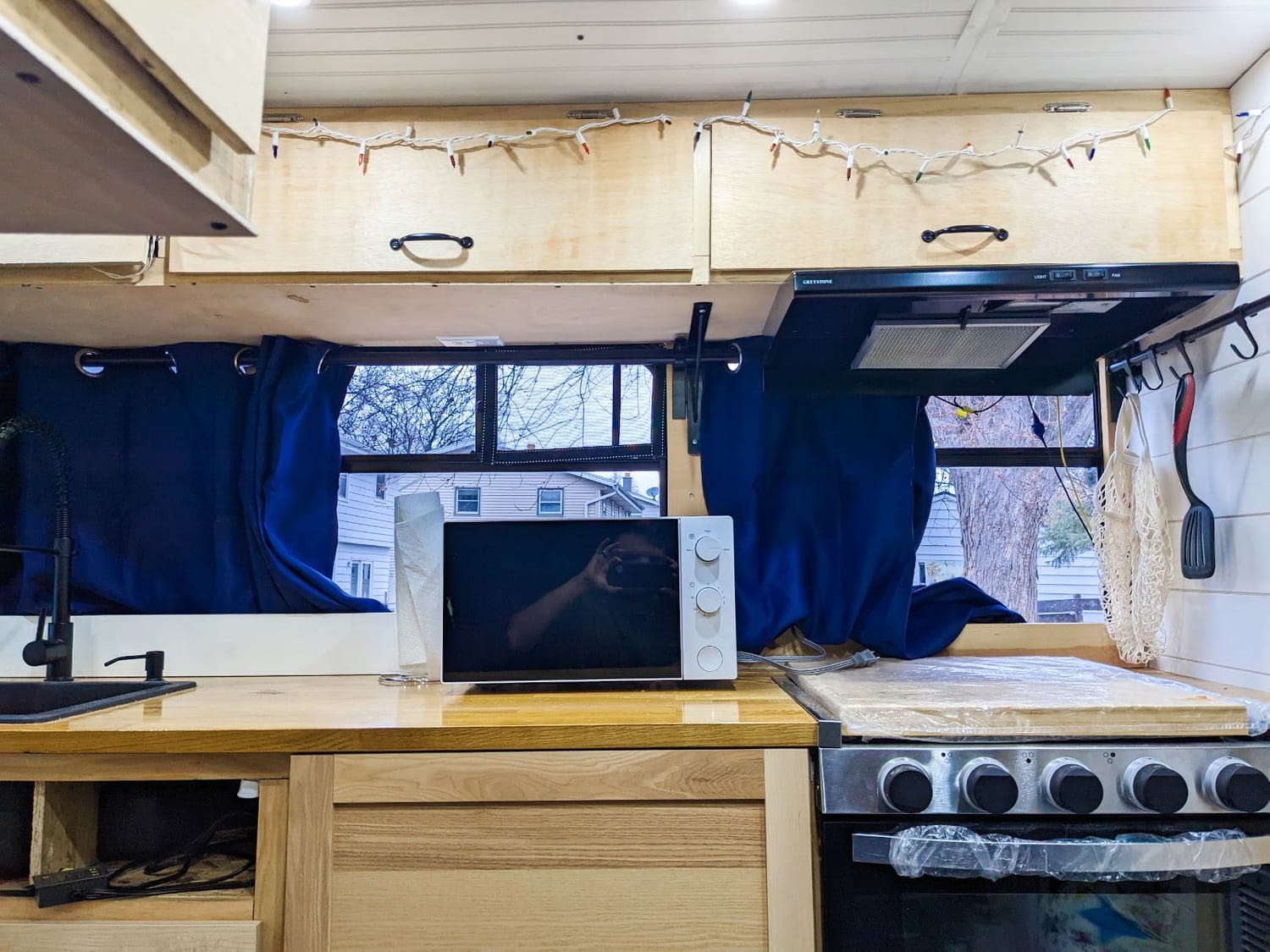
We didn’t set out to live in quite such a tiny space. We initially bought a 40-foot steel school bus and started converting it. We had grand plans - actual rooms, privacy, and all the amenities of the mobile home we live in today.
But life shifted. We realized we couldn't park a 40-foot beast at our new rental after moving across the country, so we made a radical pivot: we swapped it for a shuttle bus half the length.
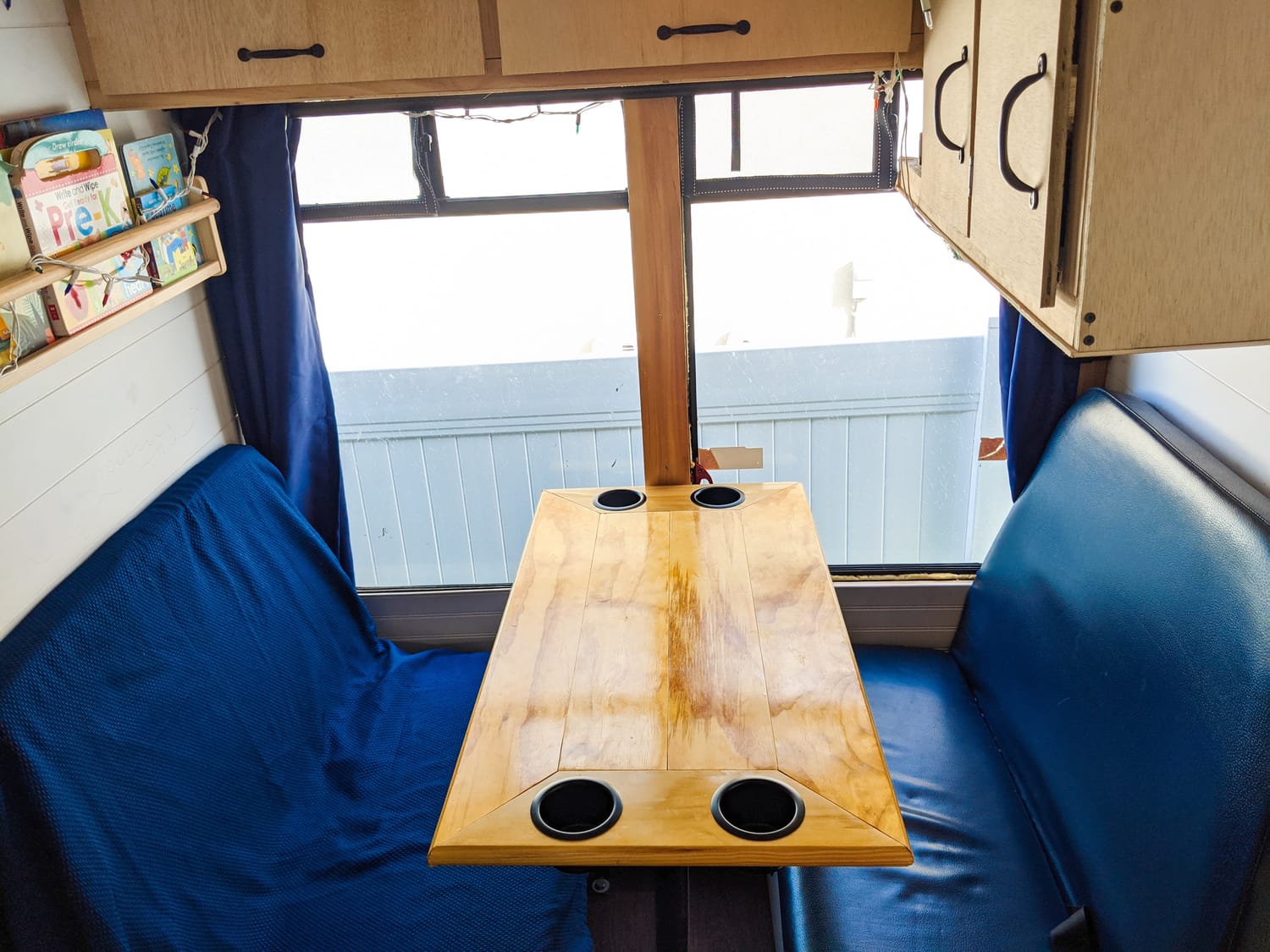
For eighteen months, while my husband was in school, we spent every spare moment converting that shuttle. We didn't just move into a bus; we built it. It was our first true home, built with our own hands.
The Constraint of Connection
When we finally moved in, we had to figure out how to fit our family of four into 16 feet.
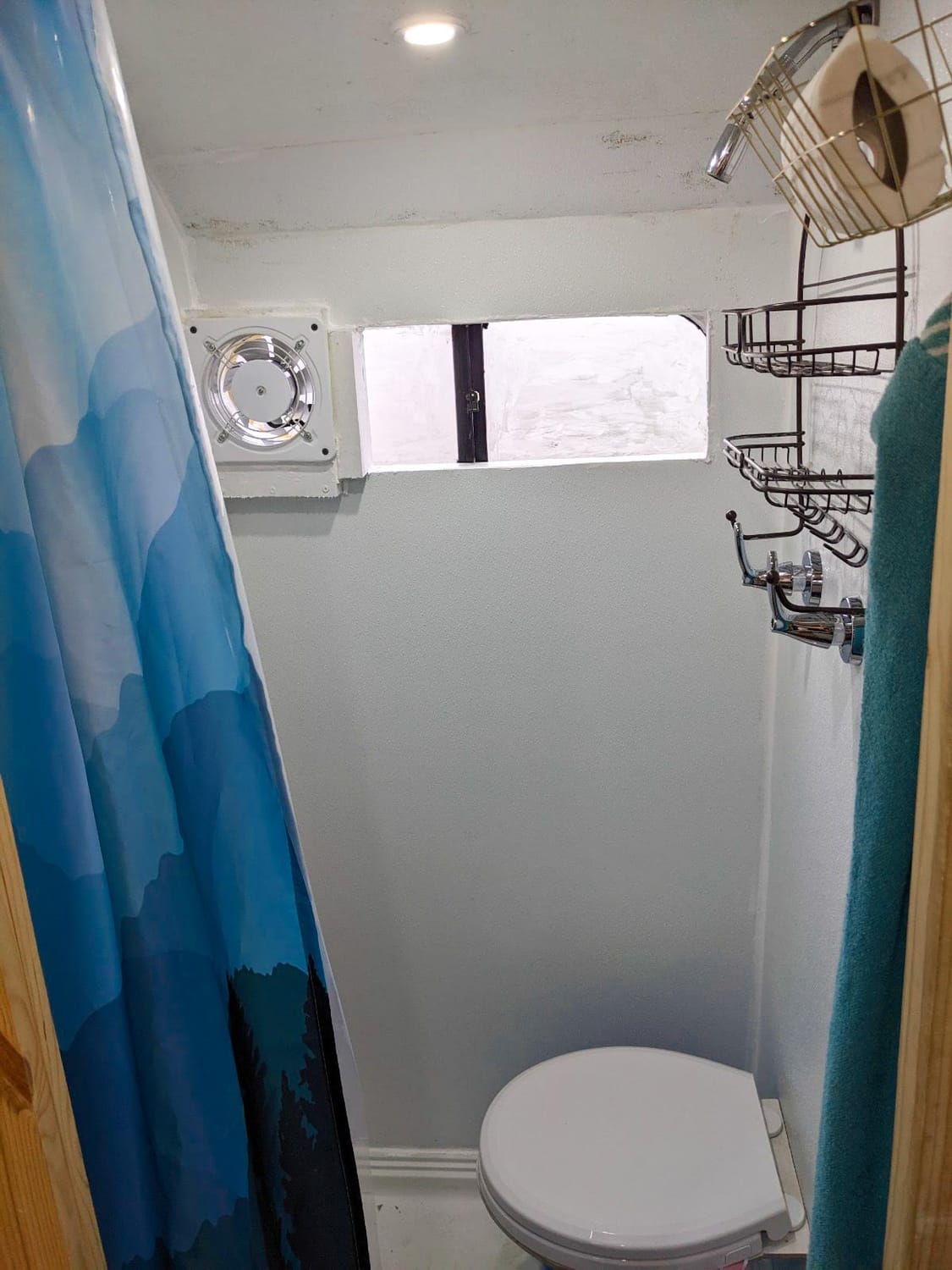
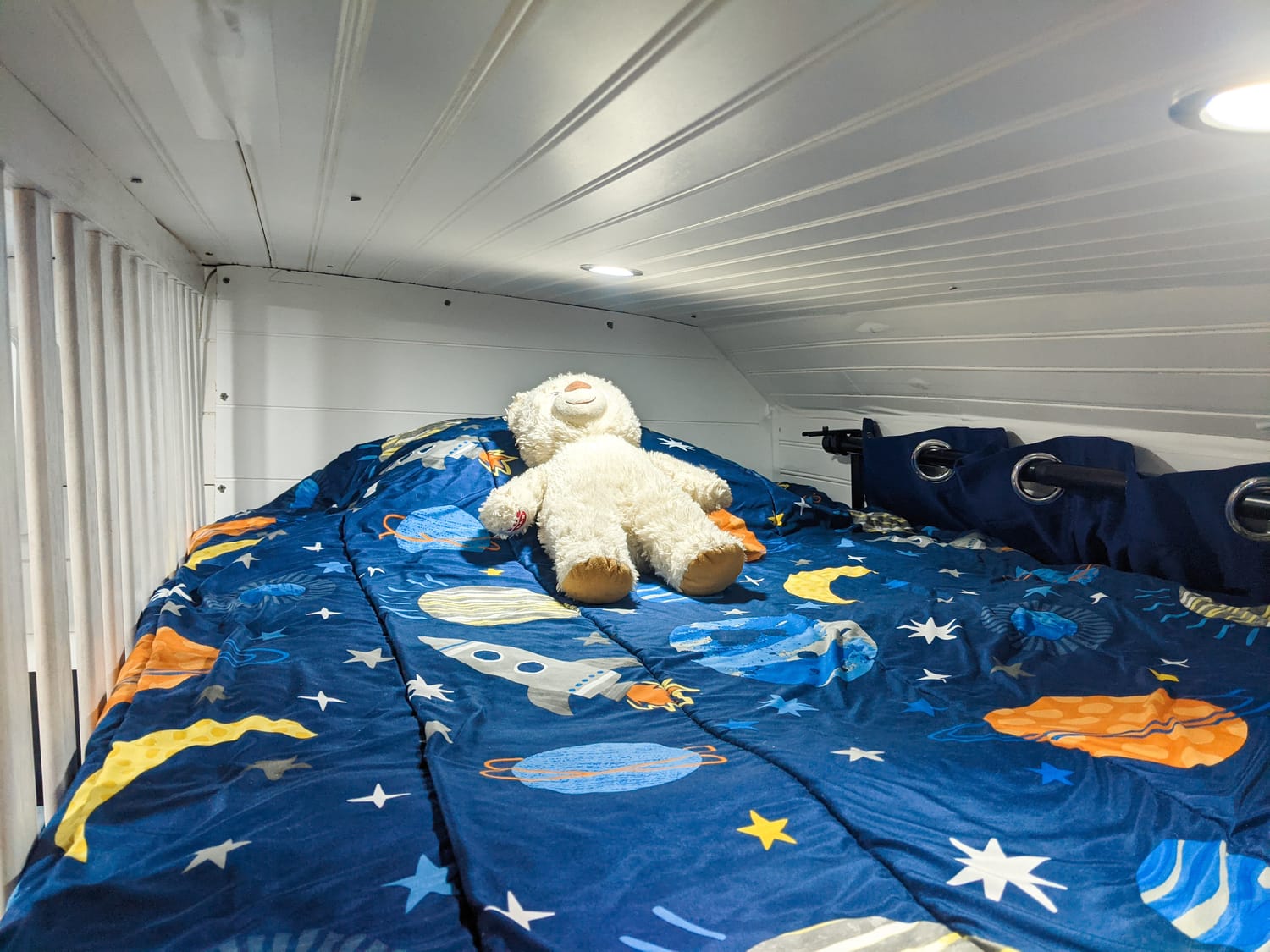
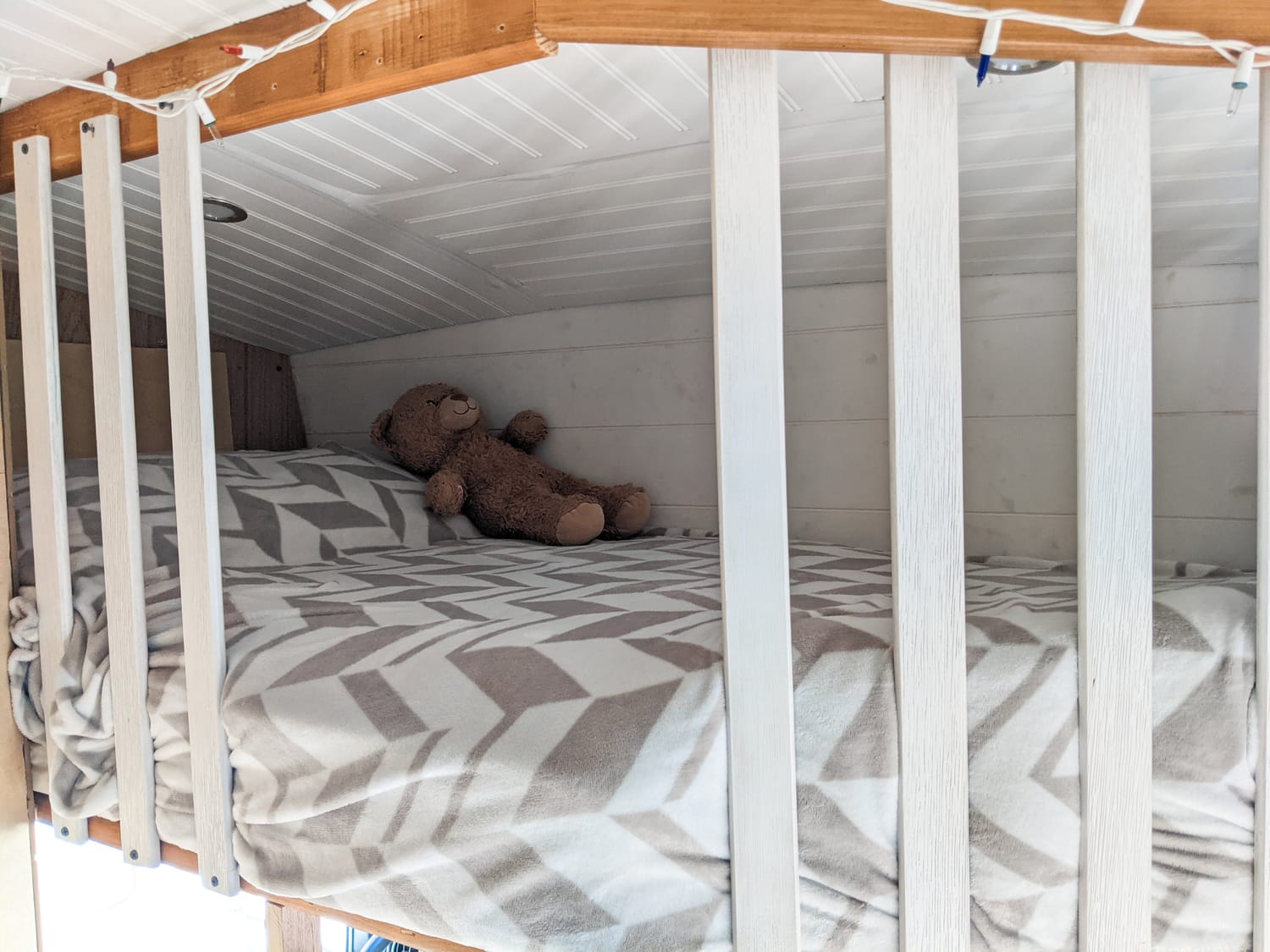
There were no more rooms. No more privacy. We had curtain dividers between the beds and a tiny bathroom we mostly bypassed in favor of public restrooms. Not because we had to, but because we needed to. Those walks to the shower were a chance to stretch our legs and steal a minute of solitude… unless, of course, the boys were tagging along.
Looking back, I’ve realized something important:
Constraints don’t automatically create connection, but they do remove the ability to avoid each other.
In those 16 feet, communication wasn’t optional. It was a survival skill.
We couldn’t “go to our rooms” to escape a bad mood or sidestep conflict. Every emotion showed up in the same shared space, and we had to learn how to move through it together. We had to talk. We had to listen. We had to co-regulate in real time.
The space didn’t create the connection on its own, but it demanded that we practice it.
Summer Adventures vs. The Winter “Pressure Cooker”
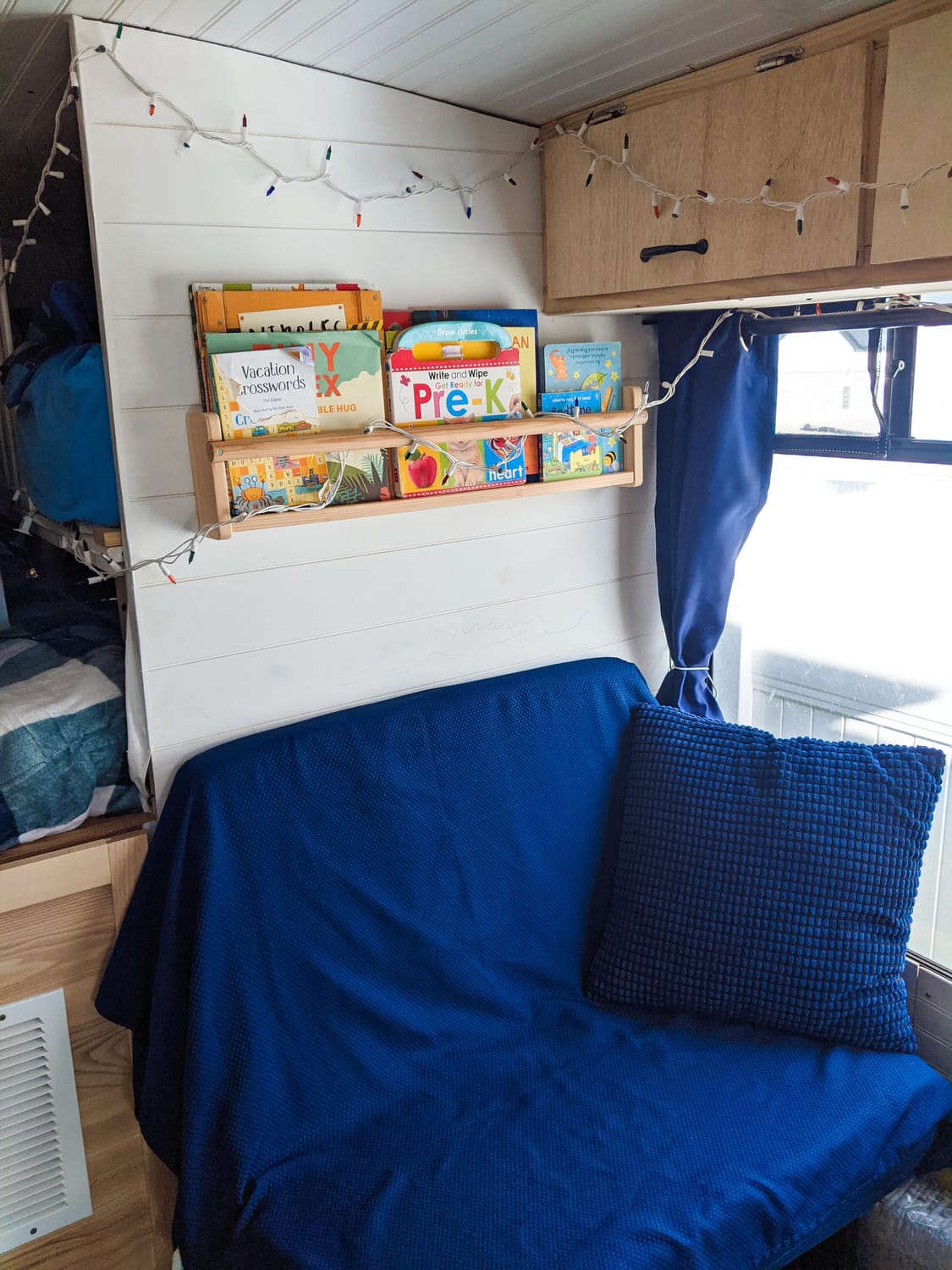
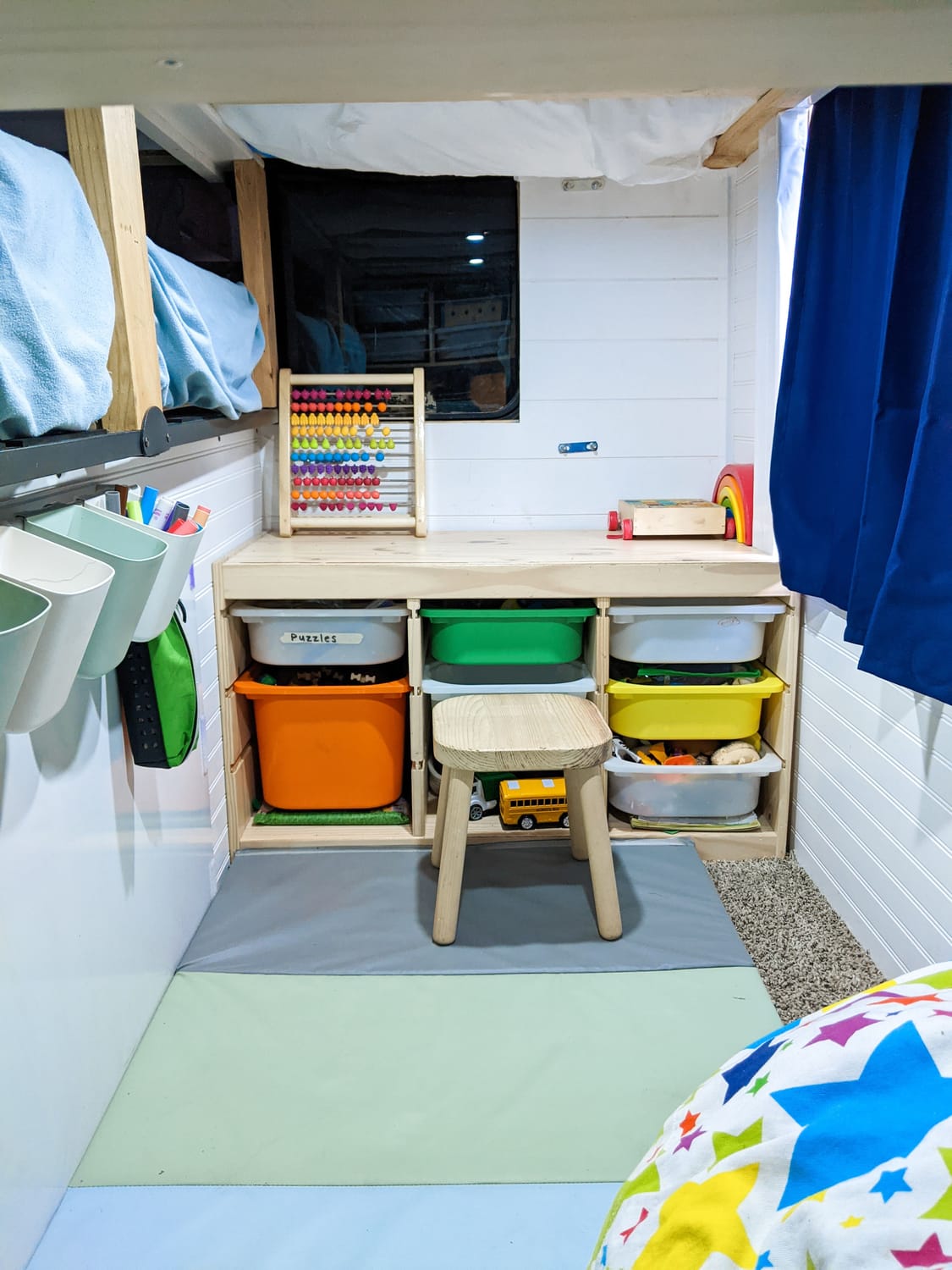
In the summer, those 16 feet were just our basecamp. The world became our living room - biking the trails next door and spending our days at Lake Michigan. My boys were constant wild squirrels, and because the environment was so expansive, regulation came naturally.
But then came the Wisconsin winter in a state fair parking lot.
The bus seemed to shrink as the boys grew. We spent our cold days at Discovery World just to have a change of scenery. Inside the bus, our heater worked almost too well. We’d crack a window to let the biting air collide with the tropical heat inside just to stay comfortable.
It became a physical reminder of something deeper:
Too much intensity, even “good” warmth, is still a stressor.
Just like that heater, our family had to learn how to vent pressure before it built into something overwhelming.
The “Why” Behind the Now
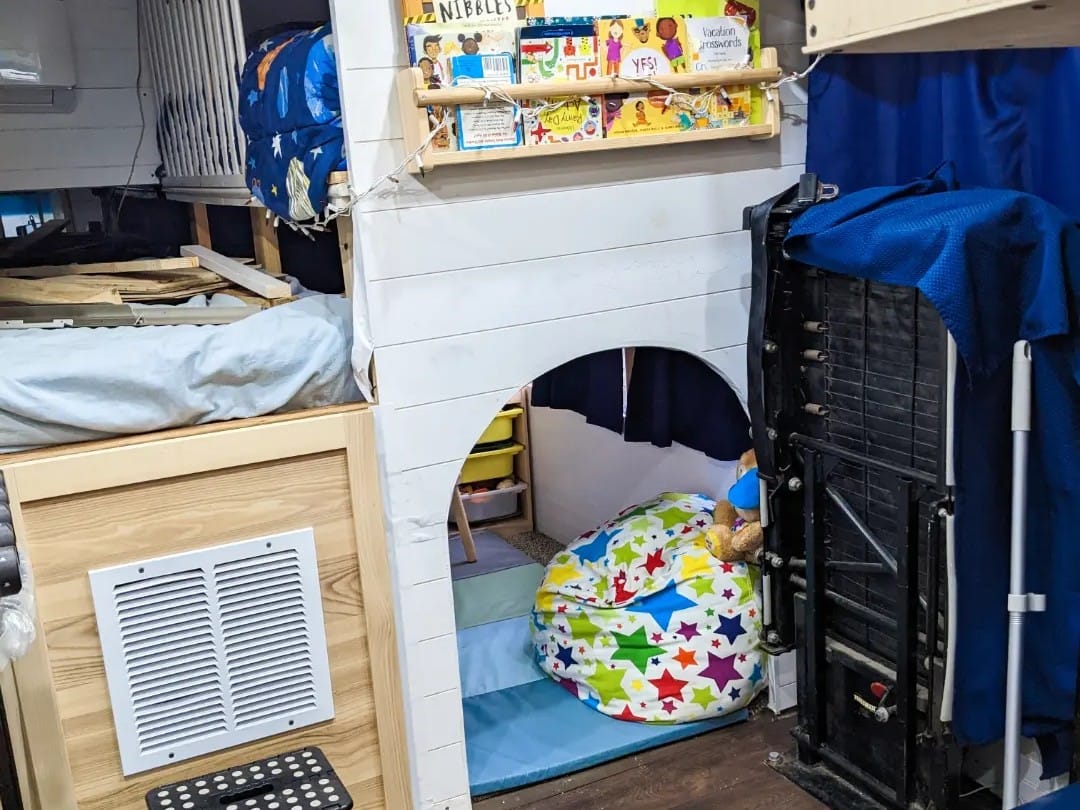
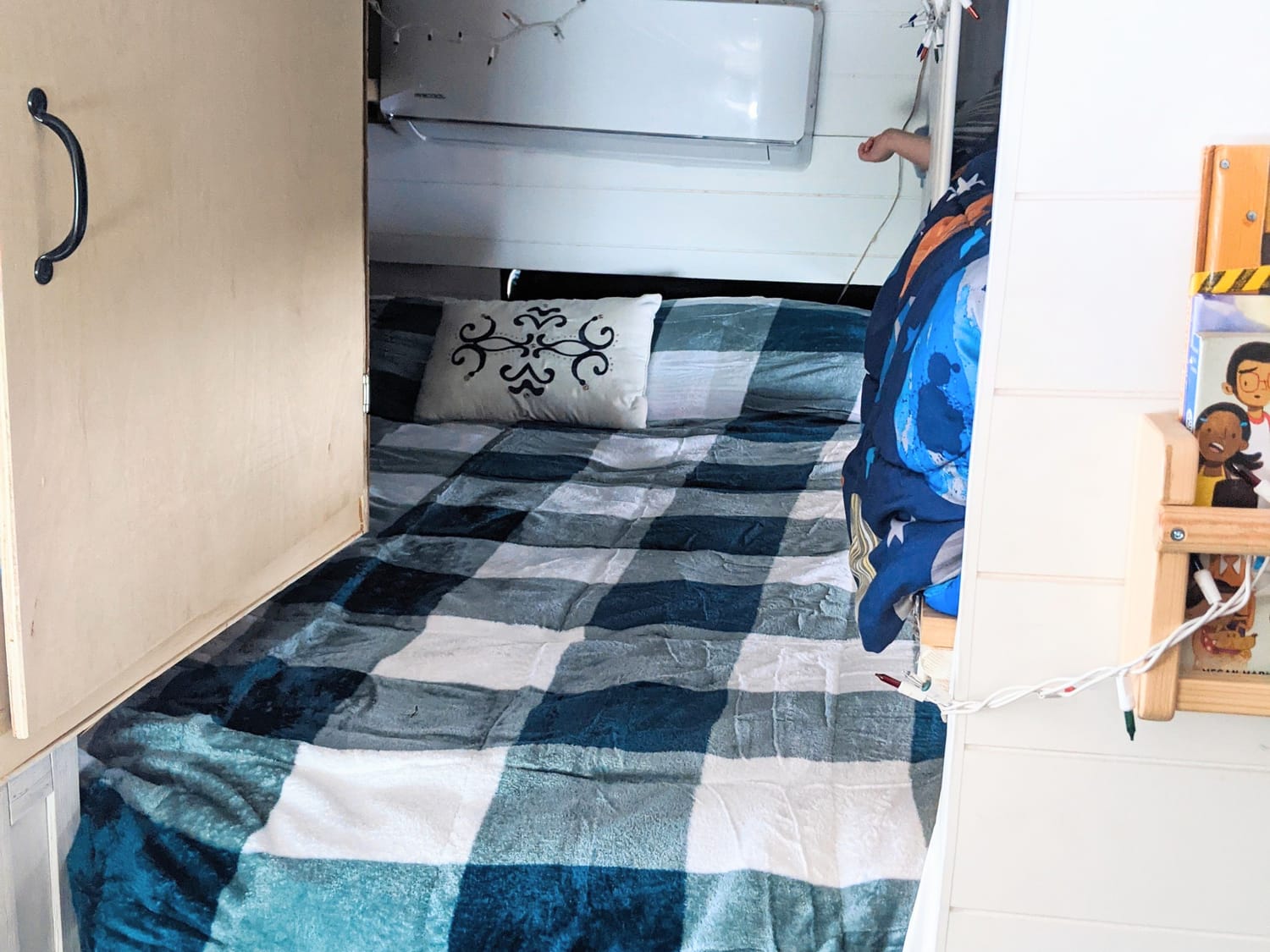
Now, as a family of five in a full-sized home, I sometimes notice something surprising:
We actually regulated better in those 16 feet than we do now.
With more space comes more options. To spread out, to retreat, to disconnect.
And while space can absolutely be healthy (and sometimes necessary), it also makes it easier to ignore small breakdowns in communication.
In the bus, we couldn’t ignore anything.
Now, sometimes we can.
We stayed minimal back then because clutter wasn’t just inconvenient. It was overwhelming. It was a sensory experience we couldn’t escape. Now, with more space and more life (and another little one bringing us so much joy), the noise (both physical and emotional) has more room to grow.
More space doesn’t automatically create peace.
Sometimes it just creates more places to hide from the work.
The Lesson of the Shuttle
When we finally bought our mobile home and we sold the bus, my husband was ready to say a quick “good riddance” to the cramped quarters.
For me, it was heartbreaking.
I wasn’t just watching a vehicle drive away, I was watching eighteen months of hard labor and a year of our most concentrated family memories disappear down the road.
The bus is gone, but the mindset stayed.
It taught me that peace doesn’t come from square footage. It comes from understanding your biology, respecting your limits, and staying connected when it would be easier to drift apart.
A Note for the Growing Family
If your “bus” feels like it’s shrinking, or if your family feels like it’s drifting apart in a sea of space, it might be worth gently tightening the circle.
Not by forcing closeness or removing needed space, but by creating intentional moments of togetherness.
Because here’s the truth:
Connection isn’t created by proximity alone. It’s built through safety, communication, and shared experience.
For some families, space is regulation. For others, closeness is the missing piece. Most of us need a balance of both.
You don’t need a shuttle bus to reconnect.
But you might need to be a little more intentional about how and where you show up for each other.
Sometimes it looks like choosing the same room.
Sometimes it looks like staying in the conversation a little longer.
Sometimes it looks like noticing the moment you’d normally walk away... and choosing not to.
You don’t need 40 feet of steel and private rooms to find peace.
Sometimes, you just need to remember what it feels like to be a family within 16 feet of each other’s hearts.
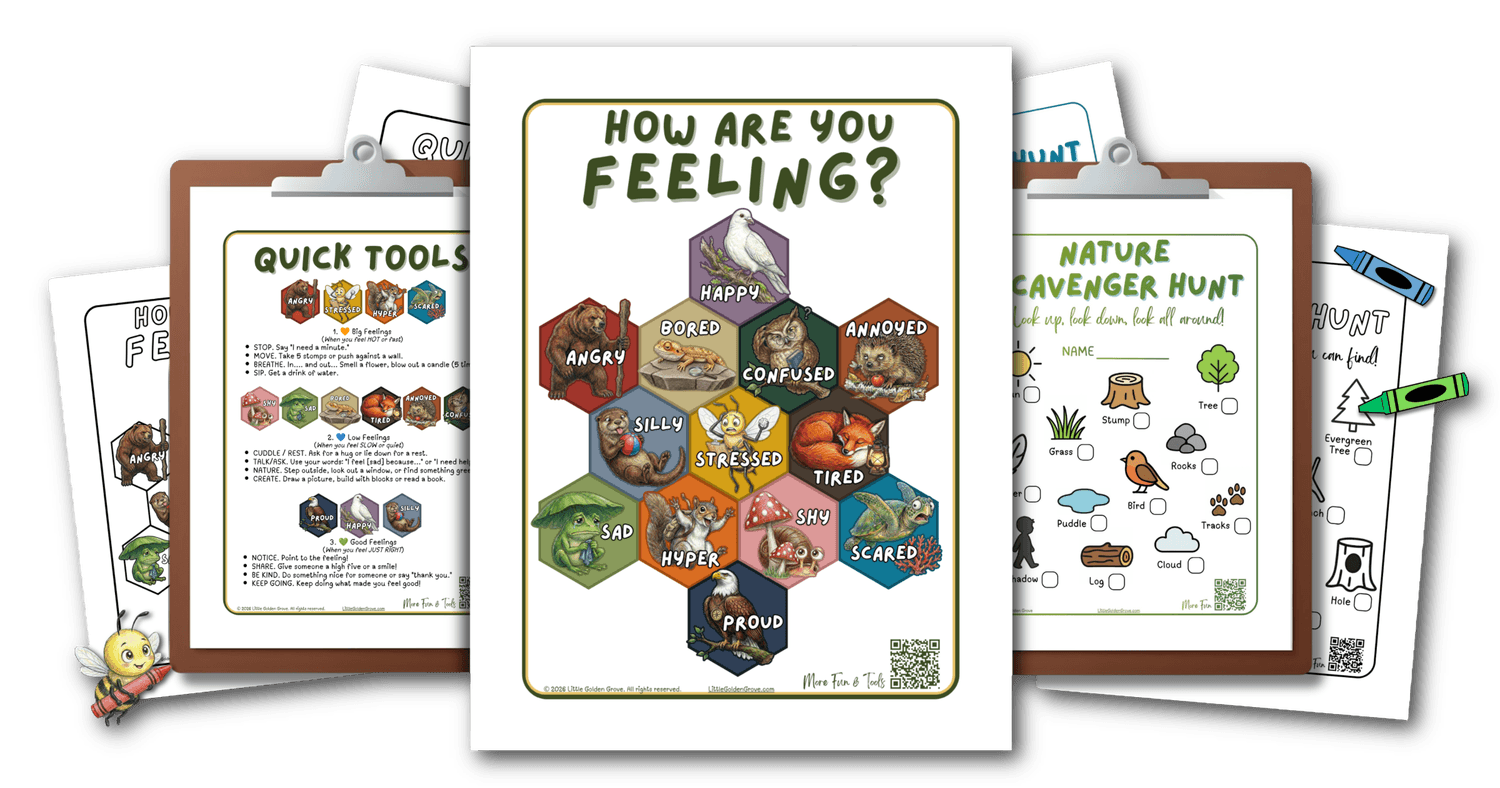
If this idea of connection and emotional regulation resonates with you, I put together a free emotions chart that might help make those conversations a little easier at home with little ones. Check it out below ❤️

Stay Connected!
Grab our signature nature scavenger hunt and get occasional updates on new nature-based tools & resources!